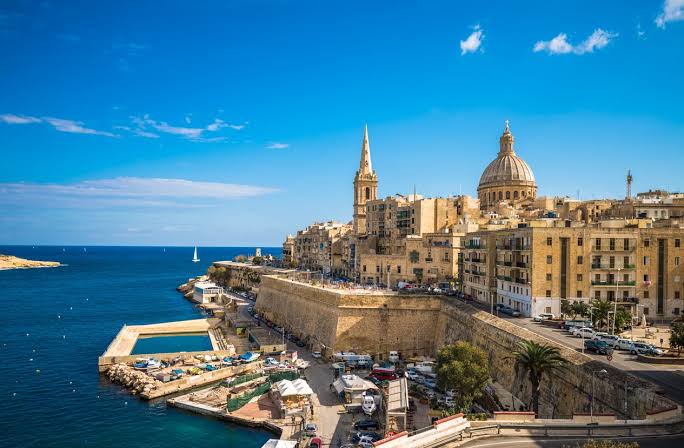
Study in Malta
Malta—a stunning island nation in the Mediterranean and a member of the European Union—has rapidly emerged as a popular, English-speaking destination for international students. Offering globally recognized degrees, a pleasant climate, affordable tuition costs, and access to the Schengen Area, Malta provides an excellent European study experience.
1. Why Choose Malta for Higher Education?
-
English-Speaking European Hub: English is one of Malta's official languages, meaning all university programs are taught entirely in English, making transition and everyday life seamless for Indian students.
-
Affordable Education & Living: Tuition fees and living expenses are generally lower compared to major Western European countries or English-speaking powerhouses.
-
Schengen Travel Perks: Holding a Maltese student residence permit allows you visa-free travel across the European Schengen Zone during your studies.
-
Work-While-You-Study Opportunities: International students are permitted to take up part-time employment (typically up to 20 hours per week) after completing their first few months of study.
2. Core Admission Requirements
To secure admission into a recognized Maltese institution (such as the University of Malta, MCAST, or private colleges), you must meet specific academic and language benchmarks:
Academic Prerequisites
-
Undergraduate Programs (Bachelor's): Successful completion of Higher Secondary education (Class 12) from a recognized Indian board (CBSE, ISC, or State Board).
-
Postgraduate Programs (Master's): A recognized 3- or 4-year bachelor's degree from an accredited Indian university with a good academic standing.
English Language Proficiency
Applicants must prove English language competence through standardized tests:
-
IELTS Academic: Generally a minimum overall score of 6.0, or equivalent scores in TOEFL iBT or PTE. (Some institutions may waive this if previous education was entirely in English).
3. Financial Requirements & Estimated Costs
To obtain a student visa, Identity Malta and consular authorities require strict proof of financial capability to cover both tuition and living expenses.
-
Tuition Fees: Generally range from €3,000 to €10,000 per year for most undergraduate and postgraduate programs, though specialized fields like medicine or high-end business courses can vary.
-
Proof of Living Funds: You must demonstrate access to at least €14,000 per year (or approx. €800–€1,200 per month) to cover accommodation, food, and miscellaneous costs.
-
Tuition Fee Deposit: Visa regulations usually require proof that you have paid at least a 50% deposit (or full payment depending on total course cost) of your tuition fees to the institution prior to visa submission.
4. Step-by-Step Student Visa Process
Step 1: Secure University Admission
Apply directly to a recognized Maltese institution. Upon acceptance, you will receive an official Letter of Acceptance outlining course details, contact hours, and fees.
Step 2: Arrange Accommodation & Insurance
-
Accommodation: Secure verified housing for your stay (such as a signed lease contract or university-provided residence letter).
-
Health Insurance: Purchase mandatory travel medical insurance covering all Schengen states for the duration of your stay.
Step 3: Prepare Financial Documentation
Gather 6 months of original bank statements (belonging to you or your financial sponsors), tax returns (ITRs), and affidavit letters proving you meet the minimum financial requirement of €14,000 alongside paid tuition receipts.
Step 4: Submit Your Visa Application
Lodge your application through the designated official channels (such as VFS Global centers in India) at least 3 months before your intended travel date. Once you arrive in Malta, you will complete biometrics to transition your status into a formal Maltese Residence Permit.
Key Program Benefits & Privileges
Direct statutory and lifestyle advantages accrued through successful approval under this immigration stream:
Authorized benefit benchmark.
Authorized benefit benchmark.
Authorized benefit benchmark.
Eligibility Criteria for Study in Malta
Applicants must satisfy key legal requirements established under regulatory immigration streams:
Valid passport and identity documentation
Official compliance benchmark.
Relevant educational qualifications
Official compliance benchmark.
Language proficiency test score
Official compliance benchmark.
Mandatory Documentation Checklist
Our caseworkers perform a multi-tier pre-submission audit on every document to prevent statutory misrepresentation or rejection:
Current Passport copies
Certified original or attested duplicate meeting official immigration benchmarks.
Educational Credentials Assessment (ECA)
Certified original or attested duplicate meeting official immigration benchmarks.
Proof of Funds / Financial statements
Certified original or attested duplicate meeting official immigration benchmarks.
4-Stage Legal Execution Protocol
Profile Assessment & Strategy
We audit your credentials, identify appropriate program streams, and structure a custom lodgment plan.
Document Audit & Verification
Securing necessary credential assessments, benchmark evaluations, and verifying compliance requirements.
Statutory Petition Filing
Our licensed counsel submits your statutory application with comprehensive legal submission letters.
Approval & Stamping
Biometrics coordination, visa counterfoil stamping, confirmation documentation, and pre-departure settlement briefing.
Available Destination Countries
All Immigration Services
Service Snapshot Guaranteed Support
Need Guidance for Study in Malta?
“Authorised Overseas Immigration & Global Visa Solutions”